

Uneven Skin Texture
“Not smooth” can describe more than one thing.

You might notice a rough-feeling surface, small bumps or areas that catch the light differently. That description is a useful starting point, but the cause and depth of the change matter when considering treatment.
Understanding skin texture.
Surface congestion
Dryness
Sun and time
Healed breakouts
A closer look.
Start with the surface
Recognize lasting indentations
Treatments to discuss.
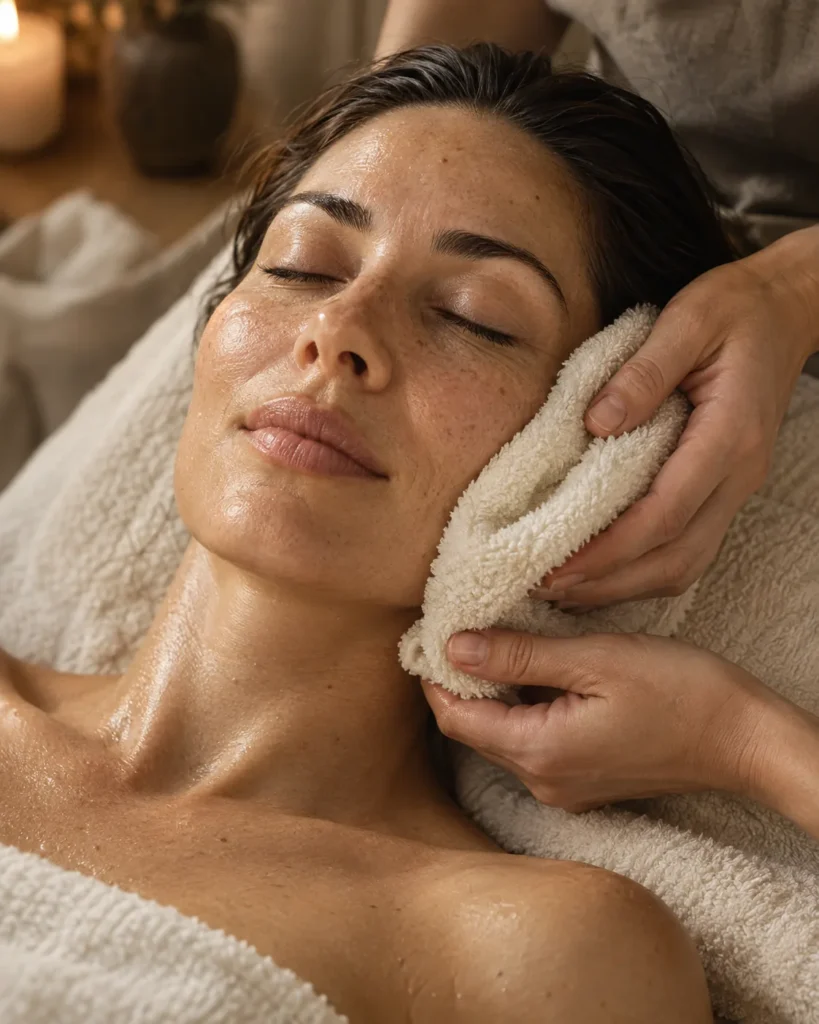
A facial to explore when the goal is cleansing, exfoliation and hydration at the surface of the skin.

A procedure to discuss for selected texture concerns, following an assessment of the cause and your skin history.
Realistic expectations.
Surface changes need upkeep
Procedural change is gradual
Improvement has limits
You don’t have to choose a treatment on your own.
Is uneven texture the same as acne scarring?
No. Dryness, congestion and scars can all affect texture. Lasting dips after healed acne deserve a scar-focused discussion; our Acne Scars guide explains more.
Is microneedling always better than a facial?
No. The options serve different purposes. A facial focuses on surface care, while microneedling involves needles, recovery and procedural risks. Match the choice to the type of texture.
How many visits will I need?
That depends on the cause and the proposed treatment. Ask how progress will be reviewed before committing to a series. One page cannot determine the right number of visits for you.
How much does treating uneven texture cost?
There is no single price for a skin concern. Compare the individual treatment pages, then confirm the proposed service and total cost before booking.